What the New Residence Card May Change Beyond the Card Itself
 office-babaakira
Japan’s New Residence Card: The Shift from Visual Checks to Digital Verification
The practical impact may go beyond the card's appearance
Last updated: June 24, 2026
Most discussions focus on the design
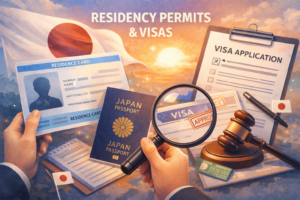
Since the introduction of the new-generation Residence Card from June 14, 2026, much of the discussion has focused on how the card looks.
Changes to design are easy to notice.
However, another practical issue may deserve more attention.
Some information is no longer printed on the card surface
Under the new Residence Card system, certain information that previously appeared on the card itself is no longer printed on the card surface.
Examples include:
- Period of Stay
- Type of Permission
- Date of Permission
As a result, information that many people were accustomed to checking visually may no longer be immediately visible.
Even the card reader application may not display everything
According to information published by the Immigration Services Agency, some of these items are currently not displayed in the Residence Card Reader Application either.
This means that confirming immigration-related information may increasingly depend on other methods of verification.
A broader shift may be occurring
Traditionally, many procedures relied heavily on information visible on the Residence Card itself.
Employers, landlords, financial institutions, and various service providers often checked information directly from the card.
However, recent changes may suggest a gradual shift toward digital verification and related records.
Why this matters
As immigration administration becomes more digitalized, verification may rely more on:
- digital systems
- official records
- electronic confirmation methods
- linked government databases
This may affect how foreign residents, employers, and professionals confirm immigration status information in practice.
Final thoughts
The new Residence Card may represent more than a design update.
It may also reflect a broader transition toward digital verification of immigration status.
For foreign residents, employers, and professionals involved in immigration procedures, understanding this shift may become increasingly important.
Consultation & Contact
If you are unsure how recent changes to residence card information or immigration procedures may affect your situation, an early review may help clarify practical risks.